
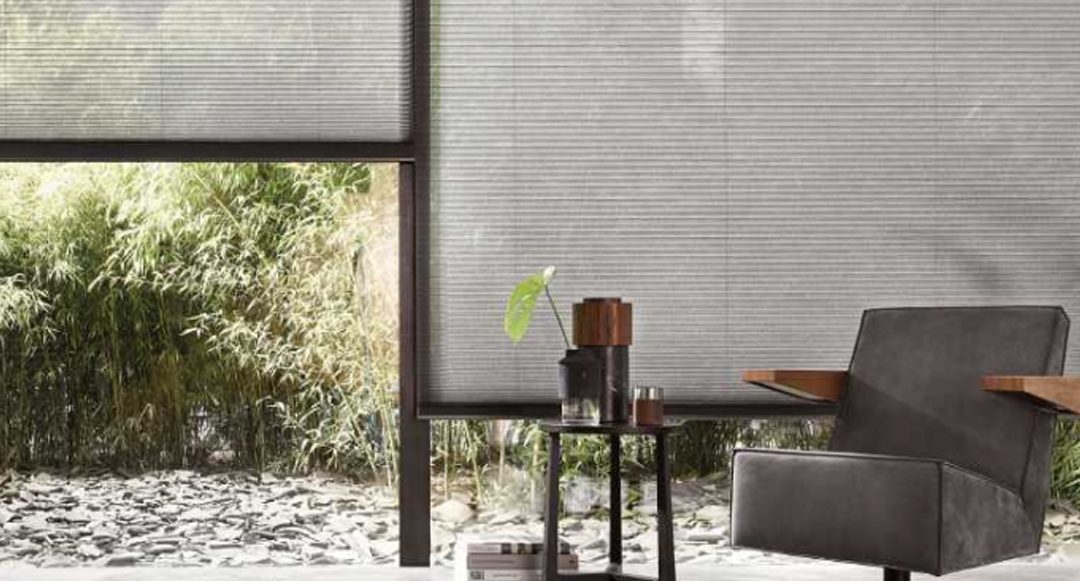
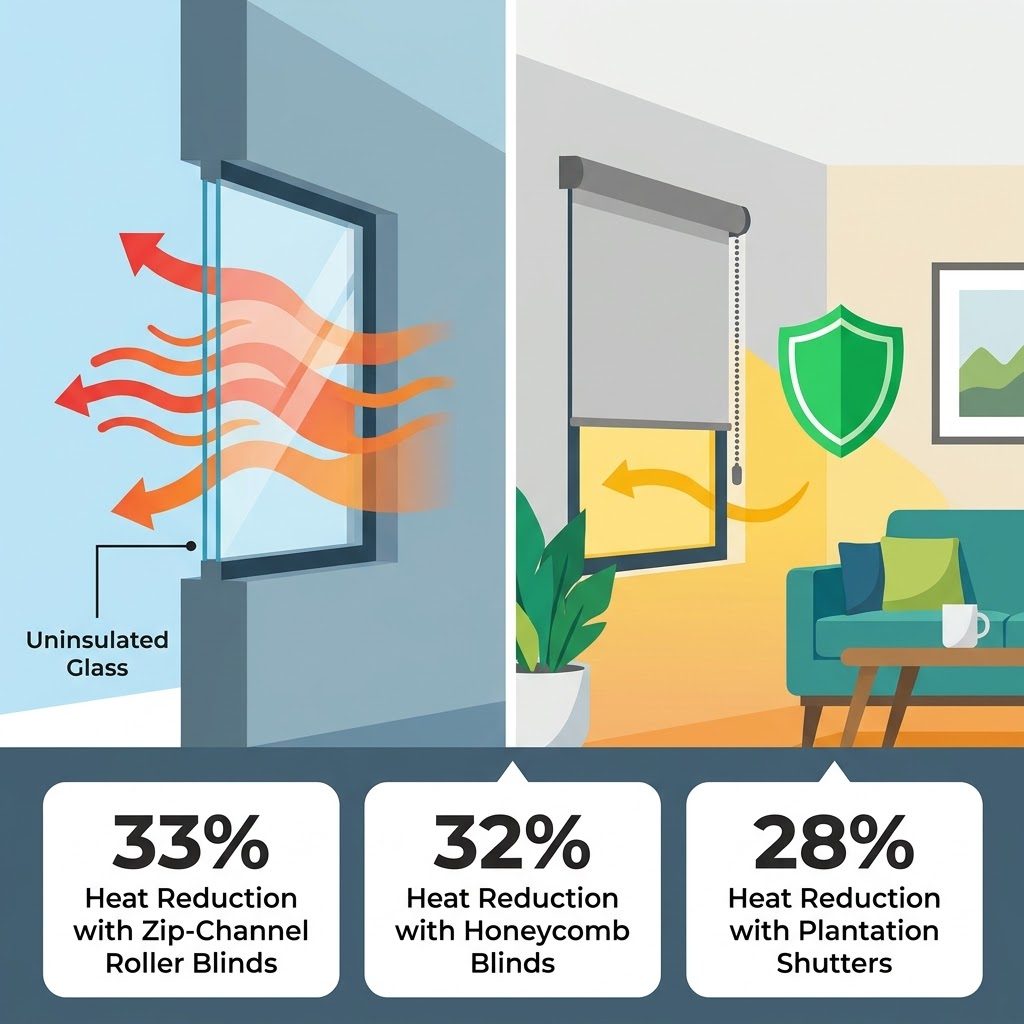
As winter approaches and heating costs continue to escalate, now is the time to add comfort, style and energy efficiency to your home by installing new thermal window coverings. Not only does this give your home a stylish makeover, professionally fitted thermal blinds and curtains can reduce heat loss through windows by up to 33%, according to research commissioned by the British Blinds and Shutters Association (BBSA).
Top scoring window coverings in the BBSA’s 2022 study were Roller Blinds with Zipped Side Channels and Low Emissivity Fabric (reduced heat loss by 33%) and Honeycomb Blackout Blinds in a Fitted Frame (32%), while installing Internal Plantation Shutters still reduced heat loss by up to 28%.
Before installing new window coverings it’s important to consider priorities – is the goal to reduce heat loss in the winter or limit overheating during the summer months? How much of a priority is darkness, privacy or solar control? Would blinds or curtains be the best choice for this particular room?
Blinds or curtains?
For example, cellular or honeycomb blinds have excellent potential to reduce heat loss because the fabric has small cells that trap pockets of air. Air is a poor conductor of heat so these pockets slow heat transfer of warmth from the room to the cold glass. Multiple cellular layers can improve insulation further.
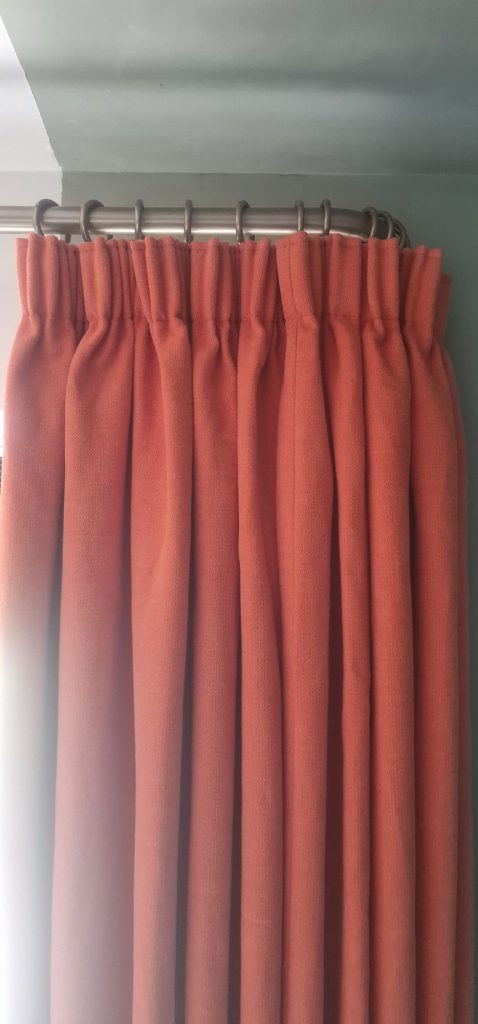
While this is great during the winter months, solar-reflective fabric is required to keep the room cool during the summer months. Meanwhile, thermal-lined curtains have an insulating layer between the room and the window which reduces heat transfer and can limit draughts but this is only effective when the curtains are professionally measured and closely fitted because gaps above below and at the sides can hinder performance.
Mind the gaps
Installations that minimised gaps around the edges were the most effective in the BBSA study. Gaps facilitate the circulation of air, which carries heat towards the cold glass increasing heat loss during the winter. Meanwhile, in the summer gaps can let direct sunlight seep in, reaching the floor, furniture and walls, which then absorb solar energy and warm the room.
Side channels and close-fitting frames reduce the circulation of air between the room, the window and its covering, which makes the insulating air layer more effective. Some thermal coverings incorporate low-emissivity or reflective surfaces that reduce the amount of radiant heat transferred towards the colder window. This effect depends on the material and how it faces the glass.
Performance also varies considerably according to the thickness and construction of the thermal window covering fitted, and how closely they fit the window recess, which further highlights the importance of professional fitting.
Keep cool in summer months
And it’s not just about making your home more comfortable during the winter months. With the summer months getting increasingly warmer, blinds and curtains are a great way of regulating the temperature in your home by reducing the transfer of solar energy through the glass. Different kinds of fabric have different ways of keeping the room cooler. For example, reflective or solar-control fabrics can send solar energy back preventing it from entering the room while air pockets in cellular blinds can slow down heat transfer from the sun-warmed window into the room.
External blinds, shutters and awnings can intercept solar radiation outside the building to keep much of the absorbed heat outside.
Precision installation is key
For year-round comfort, seek professional advice for tailored recommendations and advice on the thermal or solar control properties of a range of quality fabrics. Precision installation helps to design tailored solutions that eliminate gaps, ensure flush fits and guarantee long-term durability and comfort.
In addition to achieving the perfect fit, professional fitters can assess the unique layout and aspect of the window and room with its architectural quirks to ensure year-round comfort.
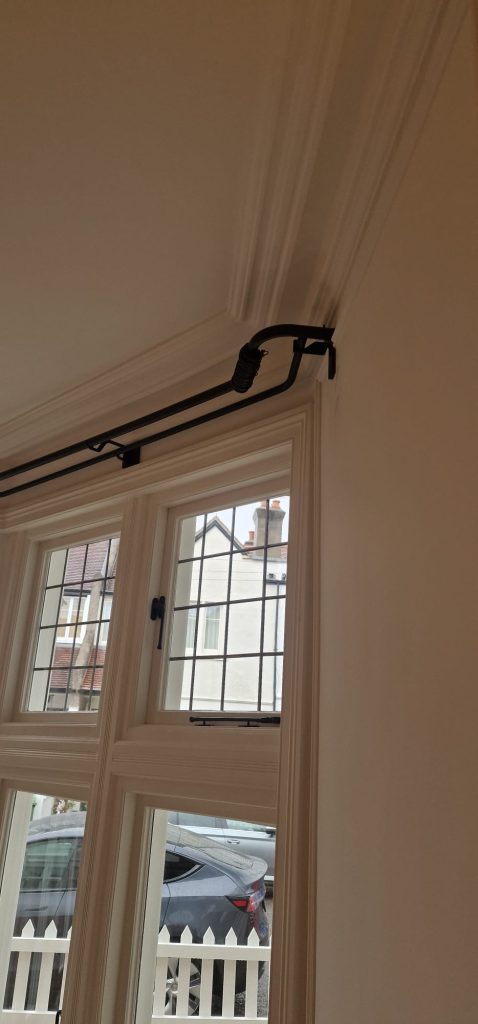
For example, in a room where the heat is escaping through large windows or a drafty frame, traditional curtain rods are not the answer because they leave gaps on the sides through which warmth can escape in the winter and enter in the summer months when you’re trying to keep the room cool. In this instance, a professional fitter might recommend French poles or curved return tracks, which curve back to fit the line of the wall creating a tight seal around the sides of the window to trap heat effectively in the winter and keep it out during the summer.
Alternatively, many modern living spaces can be more minimalist with smaller windows which means heavy curtain drape headers wouldn’t be appropriate because they take up too much room. In this instance, it would be more appropriate to fit thermal blinds directly inside the window recess or snug against the glass frame. That way, the insulation can be incorporated without overwhelming the layout of the room.
Seek professional advice about the hardware required to support the fabric because some thermal fabrics can be very heavy so it’s important that the hardware provided is sturdy enough to support the fabric chosen for a flawless finish.
With so many factors to consider, it’s important to consult a professional to maximise the value from your energy-saving investment and ensure long-term comfort and style in your home all-year round.
Our tailored service delivers refined solutions that combine craftsmanship, sustainability and modern design for a flawless finish.
Take a look at some of our customer testimonials:


